

Wooden and Leather Bar Stools for Interior and Outdoor Use in Dubai

Wooden bar stools in Dubai with leather seats

Wooden bar stool chair with leather seat
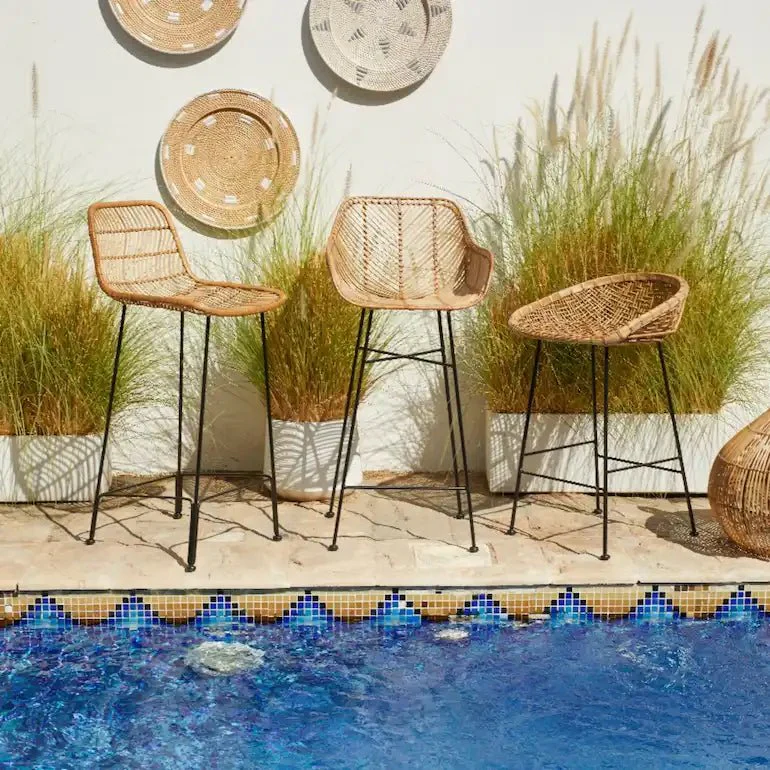
Outdoor bar stools with wooden frame
New Wooden Bar Stools with Leather in Dubai – Stylish & Durable Bar Chairs Now Available
DUBAI, AL MANARA, UNITED ARAB EMIRATES, January 20, 2026 /EINPresswire.com/ -- Bar stools play a functional role in both residential and commercial interiors, influencing how kitchen islands, bar counters, and open dining areas are used on a daily basis. In Dubai, where interiors often combine modern layouts with natural materials, wooden bar stools with leather upholstery remain a practical and stylistically neutral seating option.Wood and leather are materials traditionally used in furniture due to their durability and adaptability. Wood contributes structural stability and visual warmth, while leather provides a comfortable seating surface suitable for extended use. This combination allows bar stools to fit into a wide range of interiors, from contemporary apartments to cafés and hospitality spaces.
In recent interior projects across the UAE, wooden bar stools are used not only indoors but also in semi-open and shaded outdoor areas. When treated properly, certain models can be classified as outdoor bar stools, designed to tolerate temperature changes and controlled exposure to humidity. These stools are commonly placed on terraces, balconies, or covered outdoor bars where direct sunlight and rain are limited.
Relevance for Dubai Interiors
Furniture used in Dubai must account for specific environmental conditions, including heat, air-conditioned interiors, and variations in humidity. Properly treated wood resists drying and deformation, while quality leather maintains flexibility without cracking. For this reason, wooden bar stools with leather upholstery are often selected for long-term use in kitchens, restaurants, and office lounges.
From a design perspective, these stools integrate well into different styles. Dark wood with black or brown leather is often associated with modern or industrial interiors, while lighter wood tones paired with neutral leather suit Scandinavian or minimalist spaces. The visual balance between materials helps bar stools remain understated rather than dominant within an interior composition.
Design and Construction Details
The construction of wooden bar stools typically focuses on joint stability, weight distribution, and ergonomic seating. Well-designed stools include a supportive backrest, a properly positioned footrest, and a seat height aligned with standard bar or counter dimensions.
Models such as the Ilaria bar stool illustrate how leather upholstery can be combined with a structured wooden frame without unnecessary ornamentation. The emphasis in such designs is placed on proportion, material quality, and everyday usability rather than decorative elements.
Seat height remains a critical technical factor:
Bar-height stools usually range from 75–85 cm from floor to seat.
Counter-height stools typically measure 60–70 cm.
Adjustable options are used in mixed or non-standard spaces.
Footrests are not merely aesthetic additions; they reduce pressure on the legs and improve seating comfort during longer periods of use.
Materials and Durability
The lifespan of bar stools depends largely on material selection. Commonly used wood types include oak, ash, beech, walnut, teak, and acacia. In the UAE, acacia and teak are frequently chosen due to their natural resistance to moisture and temperature fluctuations.
Leather upholstery is valued for its breathability and wear resistance. Over time, natural leather develops a patina, which is generally considered a normal and acceptable characteristic rather than a defect. High-quality leather is identified by consistent texture, adequate thickness, and durable stitching.
A well-constructed wooden bar stool can remain functional for many years, provided that joints are secure and surfaces are maintained correctly. This durability makes such furniture suitable for both private homes and commercial environments.
Selecting Bar Stools for Different Spaces
Choosing bar stools requires consideration of space dimensions, intended use, and overall interior style. In residential kitchens, comfort and safety are often prioritized, making stools with backrests and stable bases preferable. In hospitality settings, ease of maintenance and resistance to wear are equally important.
Spacing is another practical consideration. On average, each stool requires approximately 60–75 cm of horizontal space along a counter to ensure comfortable use. Adequate clearance behind the stools is also necessary to allow movement without obstruction.
For outdoor or semi-outdoor areas, only stools specifically designed or treated for such conditions should be used. Outdoor bar stools generally feature protective finishes and materials selected to handle environmental exposure more effectively than standard indoor furniture.
Availability and Product Grouping
Bar stools are commonly presented as part of a collection of bar stools, allowing designers and buyers to select consistent seating across multiple spaces. Collections may include variations in height, upholstery color, or frame finish while maintaining a unified design language.
Whether purchased through physical furniture showrooms or online platforms, buyers typically review dimensions, materials, load capacity, and care instructions before selection. Clear product documentation helps ensure that stools are used in appropriate settings.
Maintenance and Care
Routine maintenance contributes significantly to the longevity of wooden and leather bar stools. Wooden surfaces benefit from regular dusting and occasional use of wood-specific cleaning products. Excess moisture should be avoided.
Leather upholstery should be wiped regularly with a dry or slightly damp cloth. Periodic application of leather conditioner helps preserve elasticity and surface integrity. Harsh chemicals and prolonged exposure to direct sunlight are generally discouraged.
With consistent care, wooden bar stools with leather seating can remain functional and visually consistent for 15 years or more. This durability supports sustainable furniture use by reducing the need for frequent replacement.
Conclusion
Wooden bar stools with leather upholstery continue to serve as a practical seating solution in Dubai interiors. Their adaptability, material resilience, and neutral aesthetic allow them to function across residential, commercial, and selected outdoor environments. Whether used indoors or as outdoor bar stools in protected areas, their value lies in long-term usability rather than short-term trends.
Carol Sukkar
Home and Soul Furniture Trading LLC
+971 56 112 1444
email us here
Visit us on social media:
LinkedIn
Instagram
Facebook
X
Legal Disclaimer:
EIN Presswire provides this news content "as is" without warranty of any kind. We do not accept any responsibility or liability for the accuracy, content, images, videos, licenses, completeness, legality, or reliability of the information contained in this article. If you have any complaints or copyright issues related to this article, kindly contact the author above.
