

Balanced Body vs. PersonalHour: Two American Pilates Brands, Two Very Different Paths and One Shared Love for the Method

PersonalHour VS BB
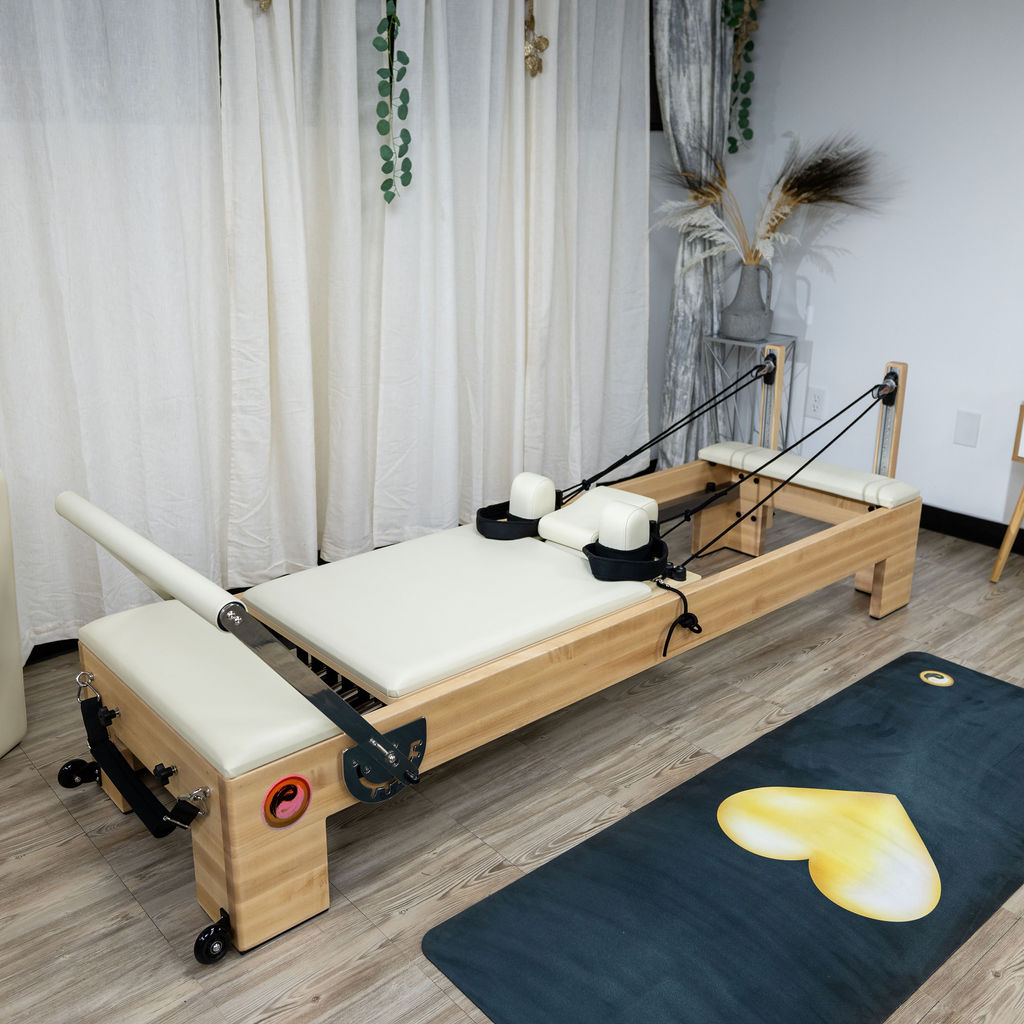
High Quality Reformers
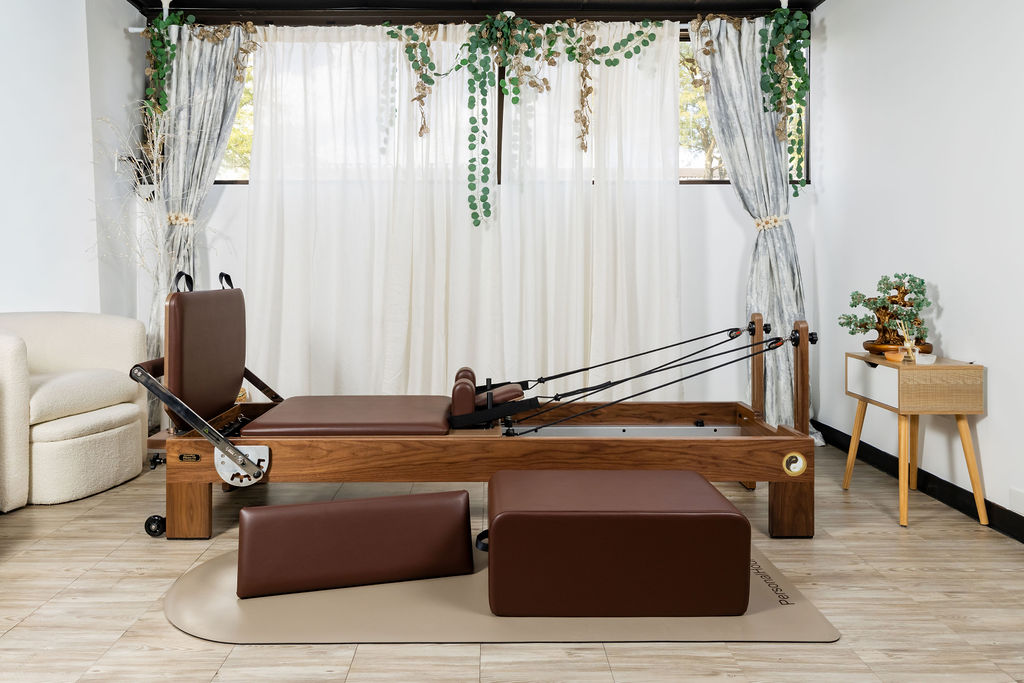
Personal Hour Pilates
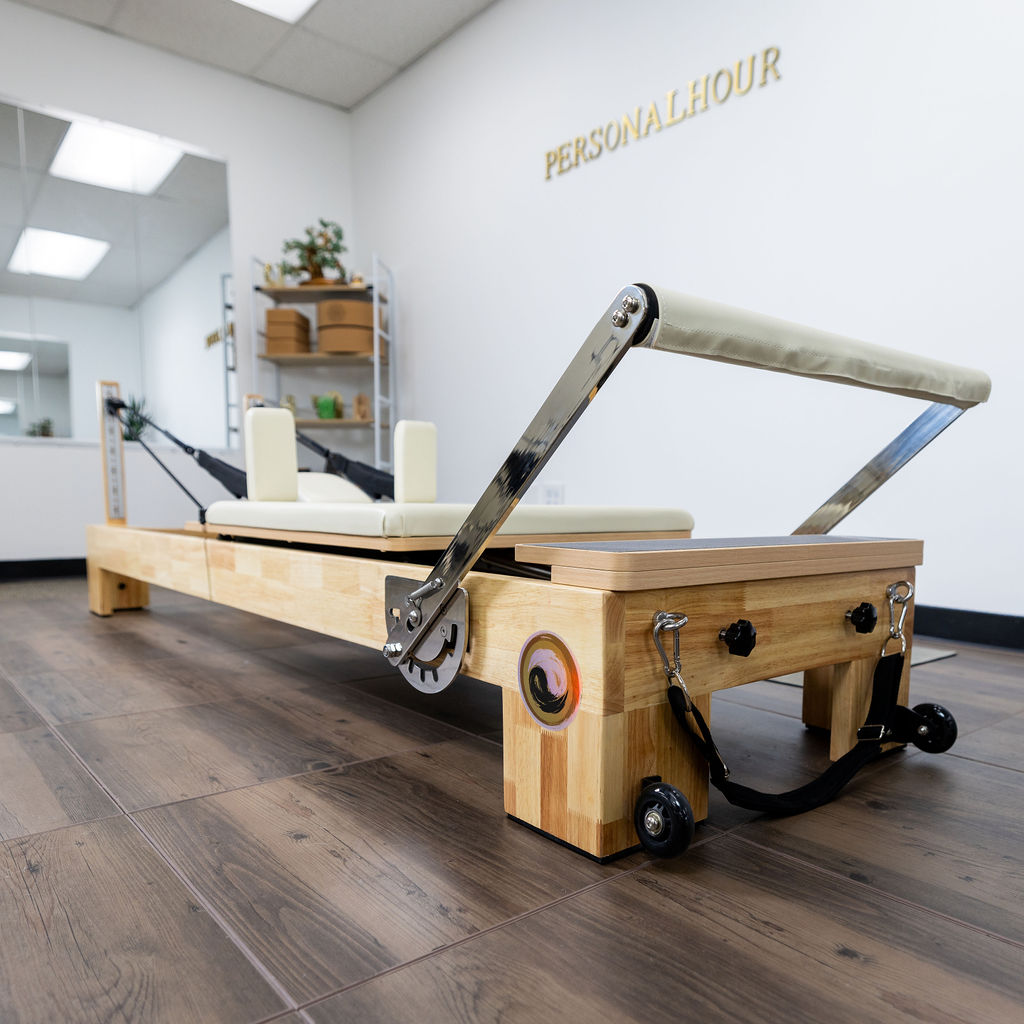
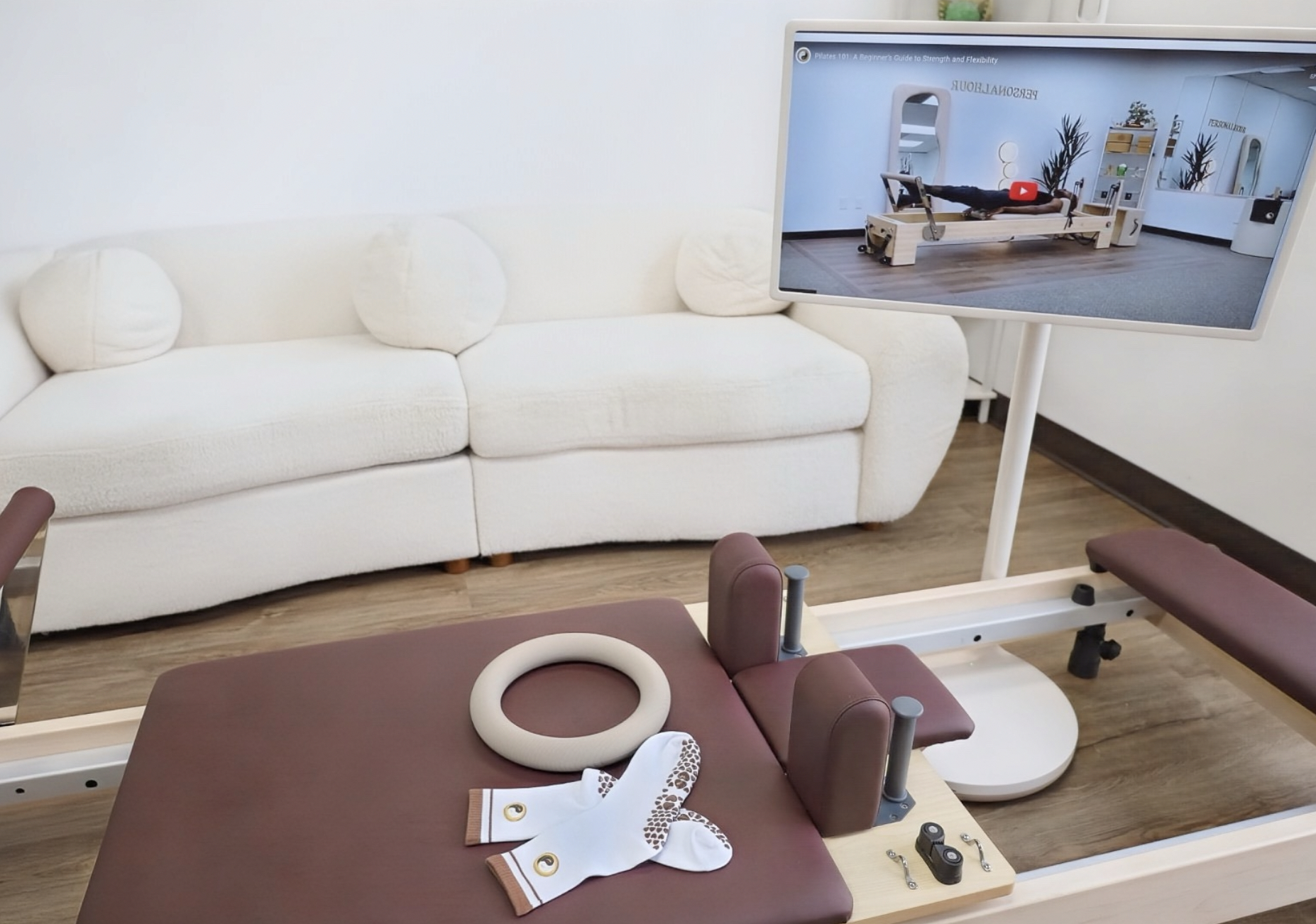
Home Pilates
Balanced Body built the foundation of Pilates in America; PersonalHour is redefining accessibility, innovation, and value for today’s studios and instructors.
At PersonalHour, we don’t compete with Balanced Body. We learn from the standards they set, then remove excess costs to make high-quality Pilates reformers affordable for U.S. households”
NEW YORK, NY, UNITED STATES, January 8, 2026 /EINPresswire.com/ -- The Pilates reformer market in the U.S. has long been shaped by legacy manufacturers with decades of history. Among them, Balanced Body has earned its reputation as a cornerstone of large studios and teacher-training centers nationwide. Yet in recent years, a new American brand has emerged—one built not in a boardroom, but in a small Ohio garage—challenging long-held assumptions about innovation, accessibility, and value in Pilates equipment.— Nadia Yacoub
That brand is PersonalHour.
This press release offers a thoughtful comparison between Balanced Body and PersonalHour, not as competitors in conflict, but as two U.S. companies serving different studio realities, business models, and visions for the future of Pilates.
Balanced Body: The Legacy Brand That Built the Industry
Founded more than four decades ago, Balanced Body is widely recognized as one of the pioneers of modern Pilates equipment in the United States. Its reformers are fixtures in large studios, universities, and training programs across the country.
Balanced Body’s strengths are clear:
A long-standing reputation built over decades
Deep integration into Pilates education and certification programs
Scalable production designed for studios operating 20, 30, or even 50+ reformers
For large, multi-room studios or franchises with standardized layouts and high-volume purchasing needs, Balanced Body continues to be a dependable and respected choice. Its machines are engineered for institutional use, and its brand carries immediate recognition in the professional Pilates world.
However, that scale comes with trade-offs. Over time, prices have risen significantly, customization options remain limited, and innovation cycles have slowed. For many smaller studios and independent instructors, the cost of entry has become increasingly difficult to justify.
Balanced Body remains a leader—but largely within the same framework it helped establish decades ago.
PersonalHour: A New American Brand Built on Accessibility, Not Exclusivity
PersonalHour’s story begins very differently.
Founded in Ohio by Nadia Yacoub, PersonalHour started not as a manufacturing giant, but as a personal mission. After the pandemic, when access to studios became limited and costs continued to rise, Nadia set out to answer a simple but powerful question:
Why should high-quality Pilates be inaccessible to so many people?
From a small garage operation, PersonalHour designed and built the first American wooden foldable studio-grade reformer—the Janet, named after Nadia’s mother. This was not just a product innovation; it was a philosophical one. A reformer that could live in real homes, small studios, and shared spaces—without sacrificing performance.
Today, that same philosophy lives on in PersonalHour’s flagship professional models, including the Nano Elite Plus, which blends studio-grade precision with thoughtful engineering for modern spaces.
Innovation Where It Matters Most
While Balanced Body has refined and preserved traditional designs, PersonalHour has focused on solving real-world problems faced by today’s instructors and studio owners:
Limited space in boutique studios
Rising startup costs for new instructors
The need for premium quality without institutional pricing
The demand for flexibility, mobility, and modern aesthetics
PersonalHour reformers are engineered with the understanding that not every studio is a 5,000-square-foot facility with unlimited capital. Many are one-room studios, shared wellness spaces, or hybrid home-studio environments.
This is where PersonalHour stands apart.
Pricing, Quality, and Fair Trade Practices
One of the most defining differences between the two brands lies in pricing philosophy.
Balanced Body reformers are premium-priced and positioned accordingly. For large studios purchasing at scale, this model can make sense.
PersonalHour, however, is currently the only Pilates equipment brand in the U.S. offering reasonable pricing relative to quality, without cutting corners on materials, engineering, or safety. This is made possible by:
Lean operations
Direct-to-customer relationships
Ethical, transparent supply chains
A commitment to fair trade and fair wages across teams
At the heart of this approach is Nadia Yacoub herself—a businesswoman known not just for building equipment, but for building people, teams, and sustainable work cultures. PersonalHour’s mission extends beyond reformers; it is about creating impact through ethical business practices and long-term trust.
Which Brand Is Right for You?
This comparison is not about declaring a single “winner.” It is about fit.
If you operate a large studio with 20+ reformers, standardized programming, and institutional scale, Balanced Body remains a strong and practical choice.
If you are a boutique studio owner, independent instructor, or small business, PersonalHour offers unmatched value, flexibility, innovation, and human-centered support—without the financial barriers traditionally associated with professional Pilates equipment.
A Shared Future for Pilates
Balanced Body helped build the foundation of Pilates in America. PersonalHour is building what comes next.
One brand represents legacy, scale, and tradition. The other represents accessibility, innovation, and a deeply personal commitment to making Pilates available to more people—physically, financially, and emotionally.
In an industry rooted in mindful movement and intentional design, there is room—and need—for both.
Joseph
MediaUS
email us here
Legal Disclaimer:
EIN Presswire provides this news content "as is" without warranty of any kind. We do not accept any responsibility or liability for the accuracy, content, images, videos, licenses, completeness, legality, or reliability of the information contained in this article. If you have any complaints or copyright issues related to this article, kindly contact the author above.
